Add your promotional text...
(Pandanus amaryllifolius)
Pandan (Pandanus amaryllifolius) is a tropical aromatic plant native to Southeast Asia and widely recognized for its distinctive sweet, creamy, and vanilla-like aroma. Traditionally used in regional cooking, pandan has recently gained strong interest in global food science and flavor development as a natural, plant-based flavor ingredient.
Botanical Background:
Pandanus amaryllifolius belongs to the Pandanaceae family and is a perennial evergreen shrub with long, narrow, blade-like leaves. Unlike many other Pandanus species, it is sterile and propagated through cuttings rather than seeds, making cultivation relatively controlled and consistent.
Flavor and Aroma Profile:
Pandan is best known for its complex aroma that combines notes of vanilla, almond, coconut, and freshly cooked rice. The key aroma compound responsible for this characteristic scent is 2-acetyl-1-pyrroline, which is also found in aromatic rice varieties such as jasmine and basmati. Pandan delivers a strong aromatic impact even at low usage levels.
Culinary and Food Industry Uses:
- Infusion of fresh or frozen leaves into rice, custards, and desserts
- Flavoring for beverages, syrups, and dairy-free drinks
- Natural flavor component in ice cream, baked goods, and confectionery
- Clean-label aroma enhancer in plant-based and vegan products
Advantages for Food Formulation:
- Serves as a natural alternative or complement to vanilla
- Provides both flavor and aroma without artificial additives
- Compatible with clean-label and plant-based product positioning
- Performs well in low-sugar and dairy-free formulations
Extraction and Processing:
Pandan flavor can be obtained through water infusion, alcohol extraction, or modern CO₂ extraction methods. Each technique produces different intensity and stability profiles, allowing food developers to tailor pandan flavor for specific applications such as beverages, baked goods, or frozen desserts.
Market and Trend Outlook:
From 2025 onward, pandan is expected to expand rapidly beyond traditional Asian markets into global mainstream products. Food labs are experimenting with hybrid flavors such as pandan-coconut, pandan-lime, and pandan-chocolate. Its role as a natural vanilla extender or replacement positions pandan as a strategic ingredient amid ongoing vanilla supply and pricing challenges.
Conclusion:
Pandan represents a high-potential plant-based flavor with strong consumer appeal, clean-label credentials, and broad application potential. As global interest in natural and culturally inspired flavors grows, pandan is poised to become a staple ingredient in modern flavor innovation.You didn’t come this far to stop
For more information on the Pandan Plant contact us
Pandan Plant
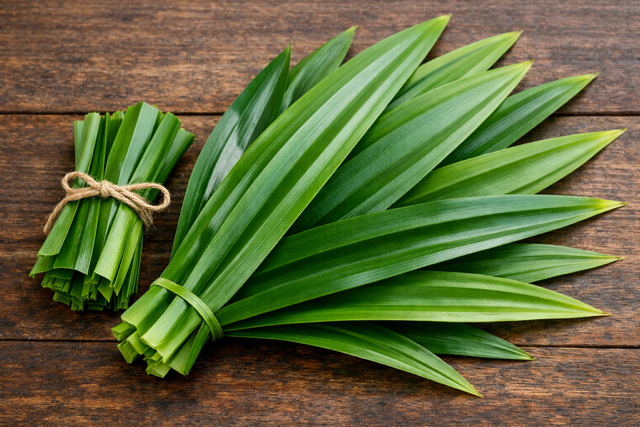
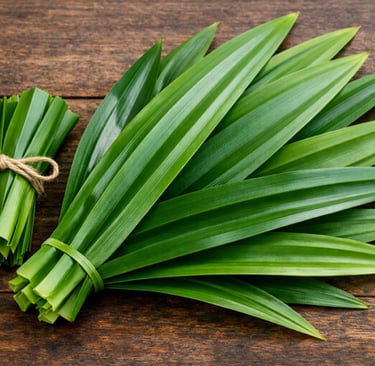
Plandan Leaves
© 2025. All rights reserved.
info@foodlabquest.com